The blockchain reaches the American stock exchanges
The first U.S. blockchain-based equity platform received regulatory approval this week from the U.S. Securities and Exchange Commission.
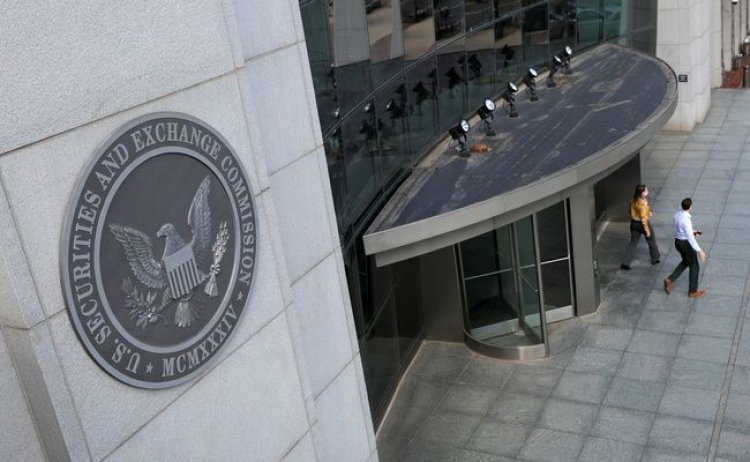
The first U.S. blockchain-based equity platform received regulatory approval this week from the U.S. Securities and Exchange Commission.
In a filing that was uploaded to its website by the Securities and Exchange Commission at one point, it said BSTX could use the emerging technology to offer faster trade settlements.
Compared to traditional platforms where it typically takes two days to settle a deal, BSTX offers same-day and next-day settlements.
It also uses blockchain technology to provide a market feed that allows members to see their own trades, as well as those of others, anonymously.
What it won't offer members is the ability to trade digital tokens, which means it's not a convenient place to buy and sell crypto-currencies and other virtual assets.
Jay Fraser, director of BSTX, told Reuters that the platform planned to allow trading in shares of the token at a later date.
BSTX planned to focus exclusively on tokenized securities, but the SEC rejected those plans in the pre-filing.
However, Fraser said the goal was to create a platform that is more like a crypto-currency exchange like Coinbase than something like Nasdaq or the New York Stock Exchange.
BSTX uses blockchain to track trading activity
Until then, BSTX operates like a traditional platform when it opens before the second half of the year. It trades stocks or funds.
BSTX aims to expand trading to all U.S. stocks and tokenized securities. Stock tokens are digital versions of shares linked to the underlying stock.
Fraser said the platform plans to expand its use of blockchain technology to support products such as tokenized securities.
BSTX was originally going to be called the Boston Security Token Exchange. It planned to trade exclusively in tokenized securities. But the U.S. Securities and Exchange Commission rejected that plan in December 2020.
The SEC said BSTX's revised rules were broadly similar to those of other exchange platforms. This is despite the power of blockchain, the technology behind crypto-currencies like Bitcoin, and faster settlement times.