Amazon drops influencer campaign designed to attract employees
Amazon has dropped its campaign of paying employees to share positive posts on social media and has removed online posts intended to improve the tech giant's image among the potential workers it needs...
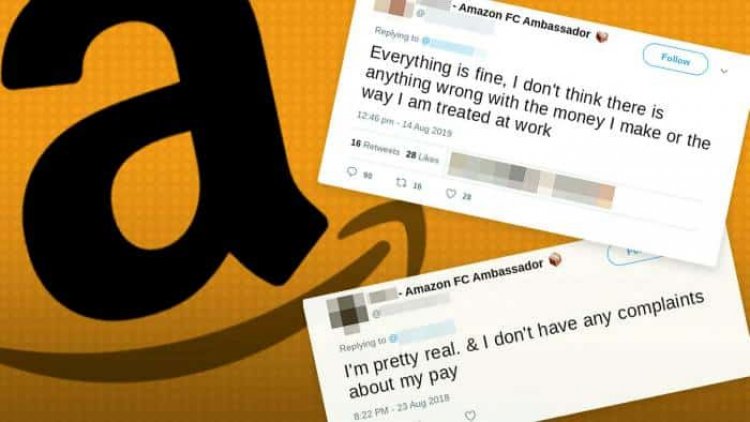
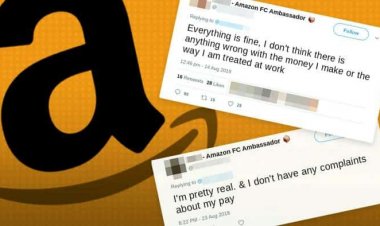
The company launched a Fulfillment Center Ambassador campaign in 2018 in an effort to defend the company against growing hostility toward safety and conditions in its warehouses.
Amazon shut down and removed all traces of the influence campaign late last year. Amazon's top executives were unhappy with the campaign's limited reach.
The campaign also failed when a number of fake accounts gave the wrong impression. Improving the perception of Amazon's workplace among policymakers and the public has become a major concern as the company battles global regulators and tries to expand its workforce to maintain delivery speeds.
The company has added more than 700,000 workers worldwide since the pandemic began, and is the second-largest employer in the U.S., after Walmart.
But the cost of attracting new applicants and lost productivity related to the workforce has added another $2 billion to operating costs.
Ambassadors at the implementation center were trained on how to respond politely but directly to critics of the company, including policymakers and politicians.
The selected workers were asked to respond to what the company considers to be lies spread by politicians, labor rights activists and other critics, although they were told not to target journalists.
The focus is now on promoting live virtual tours of facilities and other forms of traditional advertising.
Amazon disbands the Twitter army that pushed it to tweet about it
The employees were recognized on Twitter by the Amazon FC Ambassador title added to the end of their names. But the exact identity or number of ambassadors is unclear.
An investigation by the investigative group Bellingcat found at least 53 active Twitter accounts. But it noted that users tend to use similar language, tweet the same photos and even share ownership of the account. This led to overlapping identities.
Amazon has long denied that workplace abuse occurs in distribution centers. Under pressure to be more transparent about work, the company recently released its first security report.
In the report, it said injuries that resulted in worker discharges dropped 43% in 2020 compared to 2019. But it said its warehouses were still more dangerous than the industry average.
While employees were paid to improve the company's reputation, it was often the CEOs who generated negative publicity. Back in April, Amazon apologized after criticizing a U.S. congressman who tweeted about working conditions.