Samsung will bring HDR10+ Gaming support to its TVs and monitors for 2022
Samsung said that the monitors and TVs that it will launch next year 2022 will support the company's HDR10+ gaming standard and technology, and it was recently announced to provide different benefits...
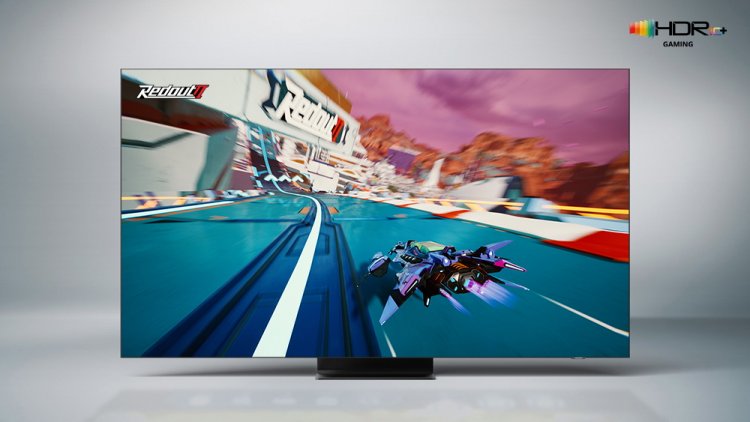
Samsung said that the monitors and TVs that it will launch next year 2022 will support the company's HDR10+ gaming standard and technology, and it was recently announced to provide different benefits for gamers in all circumstances.
The support of Samsung monitors and TVs for the HDR10+ gaming standard means that they will likely support a refresh rate of up to 120Hz, and will support automatic HDR color correction when gaming, among other advantages. This allows computer users to have an enjoyable experience through their screens, especially for gamers, as well as the case with TVs, especially with the company working on a cloud gaming service that will soon be available on TVs.
The new technology will arrive with a series of Neo QLED screens for 2022, specifically the Q70 series, but Samsung has not yet announced any of them specifically.
This technology from Samsung appears to be a competitor to the Dolby Vision HDR technology found on the recent Xbox, but Samsung, in turn, has transformed its HDR10+ technology, which it announced 4 years ago, to be more suitable for games with the new standard, and what makes it distinctive is its reliance on artificial intelligence to a large extent and not The need to manually control it for the best experience is through the settings, as it will provide this on its own.
Most likely, the Korean company will put the technology in its devices and the content that it will produce and perhaps in the games service it will launch, but at the same time it may need to convince developers to support it in their games in the coming period.
In the same context, Samsung indicated that Nvidia will start supporting HDR10+ Gaming technology on its processors with ray tracing technology represented in the GeForce RTX 20 and RTX 30, and this step will contribute to persuading developers to adopt the technology.